




By Juan D. "Jay" Whipple
Trend Magazine Online™
A Developing International Heritage Feature
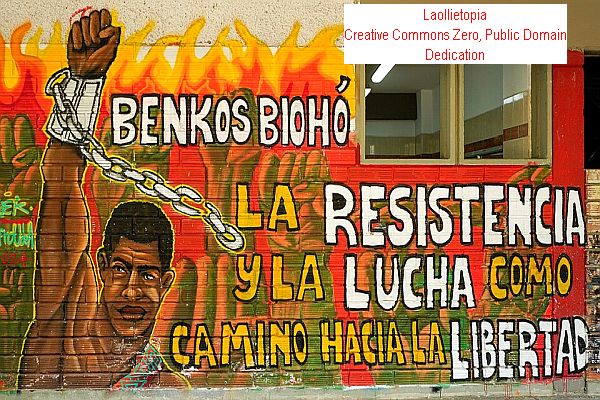
Long before Juneteenth became a federal holiday in the United States 🇺🇸, formerly enslaved Africans in San Basilio de Palenque, Colombia 🇨🇴, established one of the most important free Black communities in the Americas. Located southeast of Cartagena, Palenque stands as a powerful symbol of African resistance, cultural survival, language preservation, and self-determination across the African Diaspora ✊🏾🌍📜.
The story of Palenque is closely associated with the legacy of Benkos Biohó, a legendary African resistance leader remembered for organizing maroon communities of escaped enslaved Africans who resisted Spanish colonial slavery. Although historical details continue to be interpreted and debated by scholars, Biohó remains a lasting symbol of Black freedom, courage, and resistance in Colombia and throughout the broader Black Atlantic world.
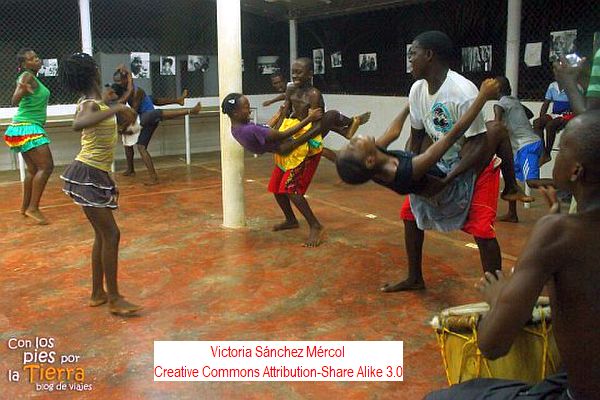
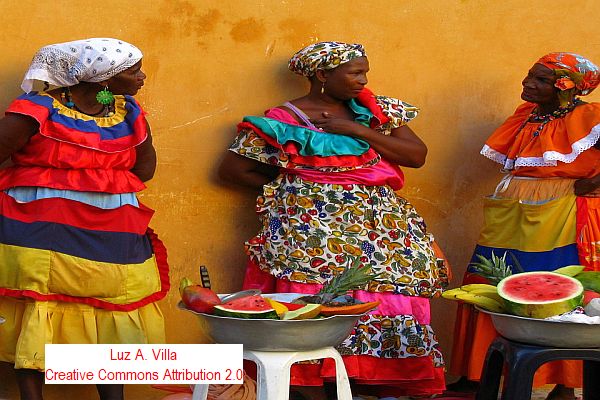
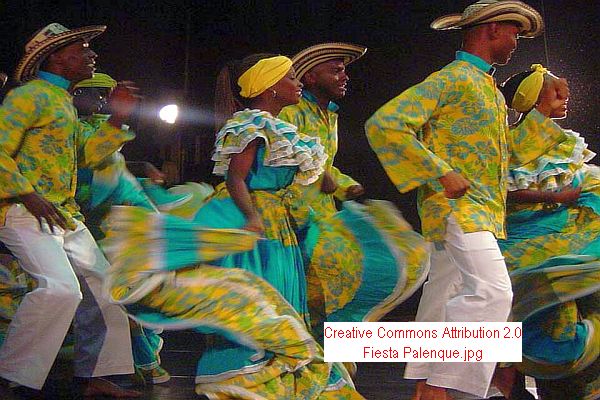
In 2005, the cultural space of San Basilio de Palenque was recognized by UNESCO as a Masterpiece of the Oral and Intangible Heritage of Humanity. That recognition helped bring international attention to Palenque’s unique cultural traditions, including the Palenquero language, oral history, music, drumming, dance, funeral traditions, foodways, and community memory rooted in African heritage.
Across the Gulf and the Caribbean world, another freedom story echoes from Galveston, Texas. On June 19, 1865, Union troops arrived in Galveston and announced General Order No. 3, informing enslaved people in Texas that they were free. That date became known as Juneteenth, a day of remembrance, celebration, reflection, and continued struggle for equality in the United States.
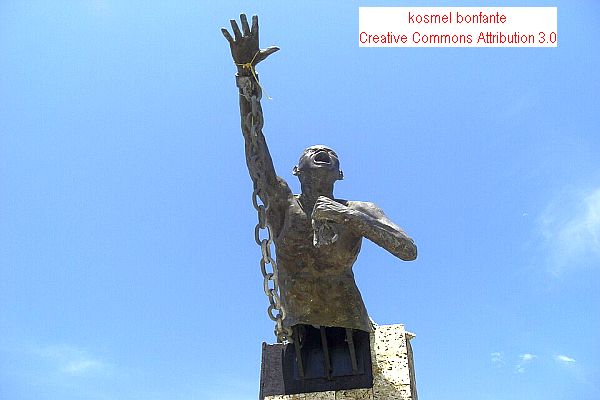
At first glance, Palenque, Colombia, and Galveston, Texas, may appear to be separate stories divided by geography, language, and national borders. Yet both represent essential chapters in the global history of Black freedom. Palenque speaks to the courage of Africans who escaped bondage and built an independent community. Galveston speaks to the delayed enforcement of emancipation and the continued fight to make freedom meaningful in law, labor, citizenship, family, and public life.
Together, these stories remind us that freedom was never simply handed down from governments. It was demanded, defended, preserved, and passed forward by Black people who refused to let slavery erase their humanity, culture, families, languages, music, faith, and memory ✊🏾📜🌍.